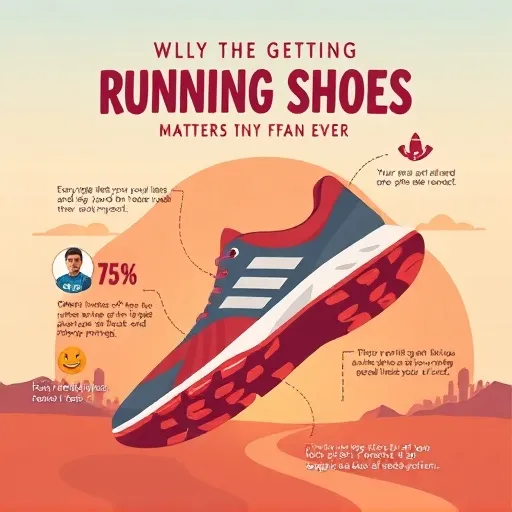
Running impact force
Why Getting the Right Running Shoes Matters More Than Ever
Every single time your foot lands on the ground, your body absorbs a serious amount of impact. The numbers are honestly kind of wild — the average runner takes somewhere between 1,500 and 1,800 steps per mile, and each one of those steps can slam your body with force equal to several times your own body weight. When you're wearing the wrong pair, all that impact force shoots straight up through your ankles, knees, hips, and lower back. Do that day after day, and you're looking at discomfort, a higher risk of injury, and a whole lot of frustration. That's exactly why this running shoes guide matters — because your footwear choice is the foundation everything else builds on.
Here in 2026, footwear engineering has come a seriously long way. Today's midsoles use supercritical foams, carbon-infused plates, and sustainable bio-based materials that didn't even exist a decade ago. But here's the catch that this running shoes guide wants you to remember — more tech doesn't automatically mean a better fit for you. The best running shoe out there is the one that matches your biomechanics, your goals, and your terrain. No fancy gimmick beats that.
Pronation, Gait Analysis, and Foot Biomechanics: The Foundation of Shoe Selection
Pronation describes how your foot rolls inward as you land, and it's the single biggest factor a solid running shoes guide will tell you to figure out first. There are three general categories:
- Neutral pronation: Your foot rolls inward about 15%, which is considered ideal. You can wear almost any neutral running shoe.
- Overpronation: Your foot rolls inward excessively. Stability shoes or motion-control models with firmer medial posts help guide your stride.
- Supination (underpronation): Your foot rolls outward. You'll want cushioned, flexible neutral shoes that encourage natural inward motion.
Not sure which category you fall into? Head to a specialty running store for a gait analysis, or just check the wear pattern on your old pair. Heavy wear on the inner edge of the sole usually points to overpronation, while outer-edge wear suggests supination. Any decent running shoes guide will tell you this trick because it's basically free diagnostics.
Road, Trail, and Treadmill: Why Your Running Surface Changes Everything
Your running surface matters just as much as your gait. Road runners need smooth, responsive cushioning built for pavement. Trail runners require aggressive outsoles, rock plates, and water-resistant uppers. Treadmill runners can get away with lighter, more flexible designs. If you split your time between surfaces, look for a hybrid or "road-to-trail" model that balances grip and cushioning. This is the kind of practical detail a good running shoes guide always hammers home.
Upper, Midsole, Outsole, and Heel Counter: What You're Actually Paying For
Understanding shoe construction helps you cut through all the marketing noise. Here are the core components every running shoes guide should break down for you:
- Upper: The material wrapping your foot. Engineered mesh dominates in 2026 for breathability, while knit uppers offer a sock-like fit.
- Midsole: The cushioning layer between your foot and the ground. This is where most innovation happens — think supercritical foam, nitrogen-infused compounds, and bio-based alternatives to traditional EVA.
- Outsole: The rubber bottom providing traction and durability. Carbon rubber lasts longer; blown rubber is lighter and grippier.
- Heel counter: A structural element that stabilizes your heel and prevents excessive motion.
- Drop (offset): The height difference between heel and toe. Traditional drops range from 8–12mm, while minimalist shoes sit at 0–4mm.
Each of these elements interacts with your unique foot shape and running gait. That's why a shoe that feels amazing for your training partner might feel terrible for you — and that's completely normal. No universal running shoes guide can hand you a one-size-fits-all answer.
How to Measure Your Feet Properly in 2026
Your feet change over time. Pregnancy, weight fluctuations, age, and even long-distance training can alter your size. Get measured at least once a year. Here's a simple at-home method:
- Stand on a piece of paper with your heel against a wall.
- Mark the tip of your longest toe.
- Measure the distance in millimeters — this is your true foot length.
- Measure width at the widest part of your forefoot.
- Shop for shoes that match your larger foot, and always leave about a thumb's width of space at the toe.
Many specialty retailers now use 3D foot scanning technology, which captures volume, arch height, and pressure points. If you have access to it, use it. It's far more accurate than the old metal Brannock device, and this running shoes guide strongly recommends it whenever possible.
Cushioning, Stability, Weight, and Heel-to-Toe Drop: Key Features to Look For
Cushioning comes in two flavors — soft and firm. Soft cushioning feels plush and comfortable for short runs and recovery days. Firm cushioning provides more energy return and stability for long distances and speed work. Most runners benefit from owning at least two pairs: one plush trainer and one firmer, faster option.
If you overpronate or have flat feet, look for shoes with guide rails, medial posts, or wider bases. Modern stability shoes are far less clunky than their predecessors — many now deliver support without feeling like orthopedic bricks. Weight matters too: lighter shoes generally feel faster but may sacrifice durability and protection. Heavier runners and ultrarunners often prefer slightly heavier models for the extra cushioning. There's no universal "ideal" weight.
Heel-to-toe drop is another big one. A higher drop (10–12mm) reduces Achilles and calf strain, which suits heel strikers and beginners. A lower drop (0–6mm) promotes a more natural midfoot strike but requires a gradual transition to avoid injury. This running shoes guide can't stress that last part enough.
Finding the Right Fit: A Step-by-Step Checklist
- Shop at the end of the day when your feet are slightly swollen.
- Wear the socks you normally run in.
- Try shoes on both feet — most people have slightly different sizes.
- Ensure there's a thumb's width between your longest toe and the front of the shoe.
- Check that your heel stays locked in without slipping.
- Walk, jog, and hop in the store. If anything pinches or rubs, try another size or model.
- Confirm the shoe flexes where your foot naturally bends — at the ball, not the middle.
Don't rush this process. A proper fit prevents blisters, black toenails, and arch pain down the road. A running shoes guide is only as good as the patience you bring to the fitting room.
How Often Should You Replace Running Shoes?
Most running shoes last between 300 and 500 miles, though this varies based on your weight, stride, and surface. Signs it's time for a new pair include visible midsole compression or wrinkling, worn-down tread patterns, new aches in your knees, shins, or hips, and a noticeably "dead" feeling underfoot. Rotating between two or three pairs extends their lifespan and gives your foam time to decompress between runs. It's a strategy many experienced runners swear by, and it's a tip every running shoes guide should include.
Common Mistakes Runners Make When Buying Running Shoes
- Buying for looks: That trendy colorway won't help if the shoe doesn't match your gait.
- Sticking with a worn-out pair: Sentimental attachment to old shoes leads to injury.
- Switching drop too fast: Going from 12mm to 0mm overnight is a recipe for Achilles trouble.
- Ignoring width options: Many models come in wide and narrow versions — use them.
- Overlooking socks: Seamless, moisture-wicking socks make a bigger difference than most people realize.
The Role of Technology in 2026: Bio-Based Foams, Carbon Plates, and Smart Insoles
This year, expect to see more bio-based foams derived from algae, castor beans, and recycled polymers. Carbon plates — once reserved for elite racing — have trickled down to everyday trainers. Smart insoles with pressure sensors can now sync to fitness apps and offer real-time feedback on your stride. That said, technology should serve your needs, not dictate them. A basic, well-fitting neutral trainer from a reputable manufacturer will outperform a flashy, over-engineered model that doesn't suit your foot. This running shoes guide keeps saying it because it's true: fit beats flash.
There is no single "best" running shoe — only the best shoe for you. Use this running shoes guide as a framework, but always trust your own body. Get fitted professionally when possible, test shoes on a treadmill or track before committing, and don't be afraid to return a pair that doesn't work out. Most reputable sellers offer a 30-day wear-test policy.
Your feet carry you thousands of miles. Treat them well, and they'll reward you with stronger runs, fewer injuries, and more enjoyable miles for years to come. Whether you're chasing a personal record or simply lacing up for a relaxing morning jog, the right pair makes all the difference. Come back to this running shoes guide whenever you're ready for your next pair — your feet will thank you. Happy running!