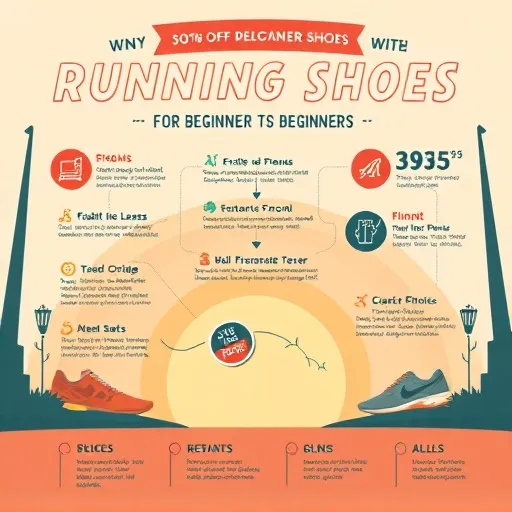
Affordable running s
Why Affordable Doesn't Mean Cheap (Anymore) with Affordable Running Shoes for Beginners
There's this stubborn old myth floating around that budget-friendly running shoes basically disintegrate after a few weeks or leave you hobbling around with aching knees. Maybe that was true a decade ago, but the whole landscape has shifted dramatically. These days, plenty of affordable running shoes for beginners actually use the same core cushioning foams and breathable mesh uppers you'd find in premium models — the real difference often boils down to minor design tweaks, brand prestige, and how much money gets poured into marketing campaigns.
Industry insiders frequently point out something pretty interesting: the midsole compound in a mid-range shoe is often nearly identical to what you'd find in a flagship model from the previous season. When you're hunting for affordable running shoes for beginners, what you're really paying for at those higher price points is cutting-edge experimentation — carbon plates, exotic foams, and celebrity endorsements. For a beginner logging easy miles a few times a week, none of that stuff is essential.
In fact, many running shoe reviews in 2026 highlight that entry-level models from established athletic lines consistently outperform expectations in durability tests. The key is knowing what to look for and where to compromise intelligently. Finding affordable running shoes for beginners that actually last isn't some impossible quest anymore — it's just about being a smart shopper.
Understanding Your Foot Shape, Arch Type, and Gait Before Buying Affordable Running Shoes for Beginners
Before you even think about price tags, you need to understand your own feet. This step is completely free, and it'll save you from wasting money on the wrong pair of affordable running shoes for beginners.
The classic "wet foot test" is still the simplest way to figure out your arch. Wet your foot and step onto a piece of cardboard or dark paper. Look at the imprint. A normal arch shows about half your foot with a moderate curve along the inside. A flat arch reveals almost your entire footprint with little to no curve. A high arch shows a thin band connecting the heel and forefoot with a large gap on the inside.
Your arch type influences whether you need neutral running shoes or stability running shoes. Beginners with flat feet or a history of overpronation typically benefit from added support, while neutral runners can go with lighter, more flexible designs. This matters just as much when you're shopping for affordable running shoes for beginners as it does at any price point.
Gait refers to how your foot rolls as it strikes the ground. Overpronation — rolling inward excessively — is common among beginners and can lead to discomfort. Many specialty running stores offer free gait analysis, but if that's not an option, look for wear patterns on an old pair of sneakers. Worn-down inner edges suggest overpronation; outer-edge wear points to supination. Knowing your gait helps you narrow down which affordable running shoes for beginners will actually work for your body.
Feet swell during the day and during exercise. Get measured in the afternoon or evening, and always leave a thumb's width of space between your longest toe and the front of the shoe. A proper shoe fit is the single most important factor in comfort — far more important than any fancy feature. Even the best affordable running shoes for beginners won't help if they don't fit right.
Key Features That Matter in Affordable Running Shoes for Beginners: Cushioning, Breathability, and Support
When shopping on a budget, focus on the fundamentals. For beginners, comfort is king. Look for shoes with generous cushioned running shoes characteristics — a soft, protective midsole that absorbs impact without feeling mushy. You don't need maximum-stack superhero foam; you need something that feels pleasant on the first run and still supportive on the tenth. The best affordable running shoes for beginners nail this balance.
A breathable mesh upper keeps your feet cool and dry, reducing blisters and hotspots. Avoid heavy leather or rubberized uppers that trap heat. Engineered mesh is standard even on budget models in 2026, so there's no reason to settle for less when browsing affordable running shoes for beginners.
A well-structured heel counter helps lock your foot in place, and a secure midfoot wrap prevents sliding. These details matter way more than flashy colorways. Lighter shoes feel more agile, but for beginners, a few extra grams of cushioning is a fair trade for comfort and protection. Aim for a balanced daily trainer that doesn't feel like a brick but doesn't feel flimsy either. Check the outsole too — a carbon rubber outsole in high-wear areas at the heel and forefoot extends shoe life significantly. Some budget models skimp here, and that's where affordable running shoes for beginners can sometimes fall short if you're not paying attention.
Where to Find Discount Running Shoes and Affordable Running Shoes for Beginners in 2026
The best places to find discount running shoes are often right in front of you — you just need to know where to look. Previous-season models are the single biggest money-saving hack in running. When a new version of a shoe drops, the older version gets discounted by 30 to 50 percent. The changes between yearly models are usually cosmetic or marginal. A beginner will absolutely not notice the difference — but your wallet will.
Physical outlet stores and seasonal factory sales are treasure troves for affordable running gear. Inventory rotates quickly, so visit regularly or sign up for restock alerts from your favorite retail channels. Several industry-disrupting direct-to-consumer platforms cut out the middleman and offer performance footwear at surprisingly low prices. These generic, brand-neutral platforms have grown massively in 2026, and their beginner running shoes are legitimately solid. Look for transparent materials lists and detailed sizing guides — those are signs of a trustworthy seller when you're buying affordable running shoes for beginners online. Late summer and post-holiday periods tend to bring aggressive clearance pricing too, so if you can plan ahead, buying off-season can save you a fortune on affordable running shoes for beginners.
Budgeting Framework and Common Shopping Mistakes with Affordable Running Shoes for Beginners
Here's a rough framework for value-priced running shoes in 2026. Entry level is the most budget-conscious tier — perfectly adequate for gym use, short jogs, and casual walking with basic cushioning and simple construction. The mid-range sweet spot is where most beginners should aim. You get modern foam, a breathable upper, and dependable outsole rubber without paying for premium marketing. Upper mid-range is worth considering if you're heavier, run more frequently, or want extra durability.
Even smart shoppers stumble, though. Buying for looks over fit is a classic trap — those sleek colorways are tempting, but a pretty shoe that pinches your toes is useless. Ignoring the break-in period is another one; most modern running shoes don't need extensive breaking in, but give them a few short walks and easy jogs before a long run. Skipping the sizing check happens all the time too — running shoes often fit a half-size larger than casual shoes because feet swell and toes need room to splay. Chasing trends like carbon plates and super foams is exciting but unnecessary for beginners. And forgetting replacement cycles? That one catches everyone. A general guideline is replacing your shoes every several hundred miles, or when the midsole feels flat and unsupportive. Budget for this from the start so you're not caught off guard. Smart shopping for affordable running shoes for beginners means avoiding all these pitfalls.
If you want to separate genuinely good affordable running shoes from forgettable ones, use this checklist: the shoe should bend where your foot bends at the ball of the foot, not the middle of the arch. Squeeze the heel counter — it should feel firm, not floppy. The midsole should feel responsive and springy, not dead or overly soft. Your toes should wiggle freely without sliding forward. It should feel balanced on your foot — neither clunky nor insubstantial. And look for durable rubber in high-abrasion zones. Many footwear analysts and running coaches recommend this kind of hands-on evaluation because it reveals more than any specification sheet ever could. This approach works for any price point, but it's especially useful when evaluating affordable running shoes for beginners.
Your shoes are only one part of the beginner running equation. Consistency matters far more than gear. Start with a run-walk approach, keep most sessions easy and conversational, and gradually increase your weekly mileage. A modest pair of affordable running shoes for beginners paired with smart training will take you further than expensive gear paired with enthusiasm that burns out in two weeks. Listening to your body is essential too — if something hurts, especially sharp or persistent pain, back off, rest, and consider consulting a healthcare professional. Running should feel challenging but not punishing.